Flax spinning history from 1940, a footage from the archive of British Pathé
March 8, 2018

About the life of Hungaro-Len Ltd. and linen industry
March 8, 2018
October 5, 2017
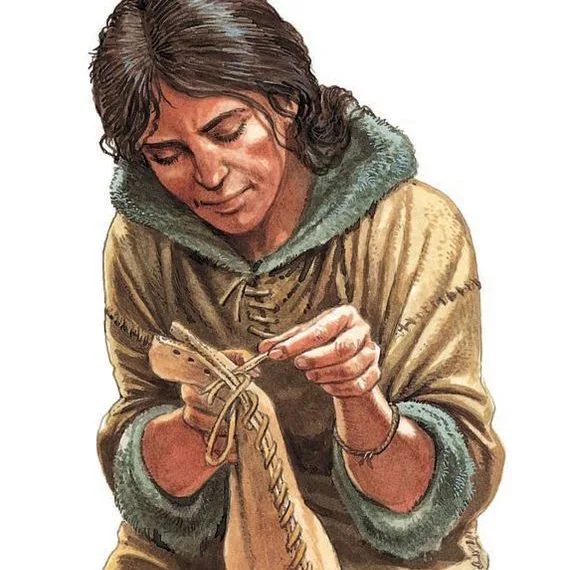
A team of archeologists discovered the oldest fibers that are more than 34.000 years old during excavations in a cave in the Rebupblic of Georgia.
The researcher say the falx wouldn’t have been farmed but collected from the wild to make yarn and thread. The ancient ancestors used the thread to fashion garments for warmth, and they sewed leather pieces with it. They also tied packs together for carrying essentials. The solution aided mobility from one camp to another.
“We know that this is wild flax that grew in the vicinity of the cave and was exploited intensively or extensively by modern humans.” – says Ofer Bar-Yosef leadar of archaeology team of Prehistoric Archaeology in the Faculty of Arts and Sciences at Harvard University.
Some of the fibers were twisted also. This indicates that early humans made ropes or strings. We know that they also dyed the fibers using the plants in the earea.
Bar-Yosef and his team used radiocarbon dating to date the layers of the cave as they dug the site, revealing the age of the clay samples in which the fibers were found.
The report was published in Scinence Journal in 2009.
source: Harvard Gazette
May 31, 2017

Unique and informative exhibition was oragnized about passion for linen on Via Montenapoleone in Milan in May 2017. Designer Philippe Nigro has dreamed a beautiful flax world in the middle of Milan. Aim of the installation was to show to general public the process from plant to consumer goods like dresses, shirts, bed linen or even technical textiles.
The event highlighted how durable, inevitable disposable, environmentally friendly, multifariuos and fine is linen. Mr. Nigro used and placed diferrent tools like 1500 meters of linen textile for decoration, graphic statement, bales of fax straw, multicolored fabric rolls and spools, all draw attention to the miracle of flax. 60.000 packets of flax seeds were gifted to visitors in order to pot them and grow plants.
Fascinating point was that famous actor John Malkovich stars in commercials announcing his love for linen.
Spinners and weavers certified by MASTERS OF LINEN® like Hungaro-Len Ltd. strain after preserving European agriculture and industry, its regional origins and its inherent non-relocatable know-how.
April 25, 2017
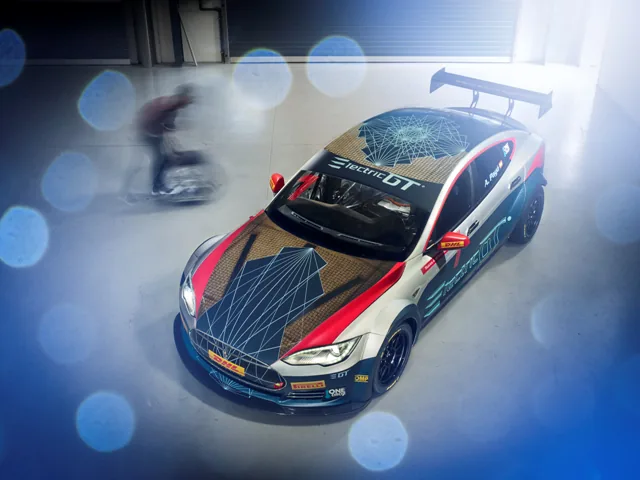
Famous female US car racer and environmental activist Leilani Münter, the revolutionary Tesla-based Electric GT World Series, and global natural fibre composite leader Bcomp Ltd. (Hungaro-Len’s partner), have decided to join forces to foster sustainable mobility for the future. Furthermore, Bcomp is proud to announce that Leilani will be an ambassador for the young Swiss company and its innovative products.
Bcomp’s powerRibs technology, providing a unique performance-per-weight ratio, is used in various parts such as the roof and the hood. Marrying the outstanding properties of flax fibers with an innovative preform design, the powerRibs technology allows weight savings of up to 40 % in single skin composite shell applications. Simultaneously, material cost and ecological footprint are significantly reduced.
At JEC World 2017 in Paris, Bcomp launches two composite preform kits called pRace© – F01 and pRace© – C01, namely a full flax- and a hybrid carbon-flax laminate (developed in collaboration with the European Space Agency ESA). Both feature the powerRibs technology, resulting in stiff and lightweight solutions for automotive race body parts.
Available in either prepreg form or dry fabrics for infusion processing, Bcomp’s fabrics are easy to use and do not require resin-hungry bleeders or flow media for processing. B-comp customers can either choose to reduce weight of their benchmark carbon or carbon/glass laminates by up to 40%, or reach higher stiffness for the same part’s weight, all of this at reduced costs.
Furthermore, this novel material solution protects drivers and tires by replacing the sharp shattering carbon with much safer on damage flax reinforcements. Finally, structural damping is significantly increased by honing natural fibres’ intrinsically high vibration absorption properties.
The Electric GT Championship is motorsport for the 21st century, that presents our fantastic clean energy and clean transport future to the World, and that excites and inspires us all as society enters into a new age of abundance; The Age of Light. Electric GT World Series, the first ever 100% zero emissions super car GT championship, has chosen the Tesla Motors Model S version P100DL as base model for the 10 teams that will compete during the first season starting 2017.
Leilani Münter is a biology graduate turned race car driver and environmental activist. She believes it is essential for humans to adapt and evolve the way we are living to a sustainable way that does not destroy the world around us. Leilani is an advocate for renewable energy, solar power, electric cars, plant-based diet and animals. Leilani wants our future to be a cleaner and kinder world.
In only 5 years, Bcomp has established itself as a renowned supplier of high-performance, sustainable materials in the Sports and Leisure industry, developing proprietary lightweight solutions made from renewable materials. Thanks to its innovative products and outstanding branding, the company has built a large international customer portfolio and a strong reputation worldwide.
After successfully establishing its products in its entry markets, Bcomp has started its expansion into the mobility sector, focusing on motorsports, automotive interior- and aerospace sectors.
June 15, 2016
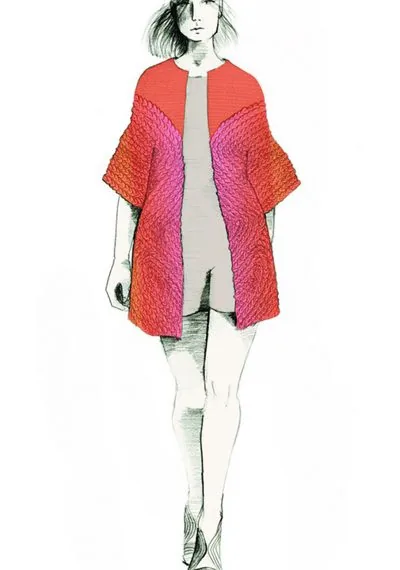
Feel the Yarn, the competition for aspiring knitwear designers, comes to the 7th edition, confirming its leading role as one of the fashion world’s most important examples of cooperation between Italian yarn mills and young, international creative talents.
CELC Masters of Linen, sensitive to innovation, research and education, will be participating this year in cooperation with Lahti University of Applied Sciences – Finland, providing linen yarns 100% Made in Europe, from the associated spinning companies like Hungaro-Len.
The works will be presented at Pitti Filati 79 (29th June to 1st July 2016) with a special staging in the exclusive area. An extremely qualified panel of fashion professionals will select the most interesting projects and award the prize to be used for further training and education.
source: http://blog.europeanflax.com/european-flax-at-feel-the-yarn-2016/
May 25, 2016
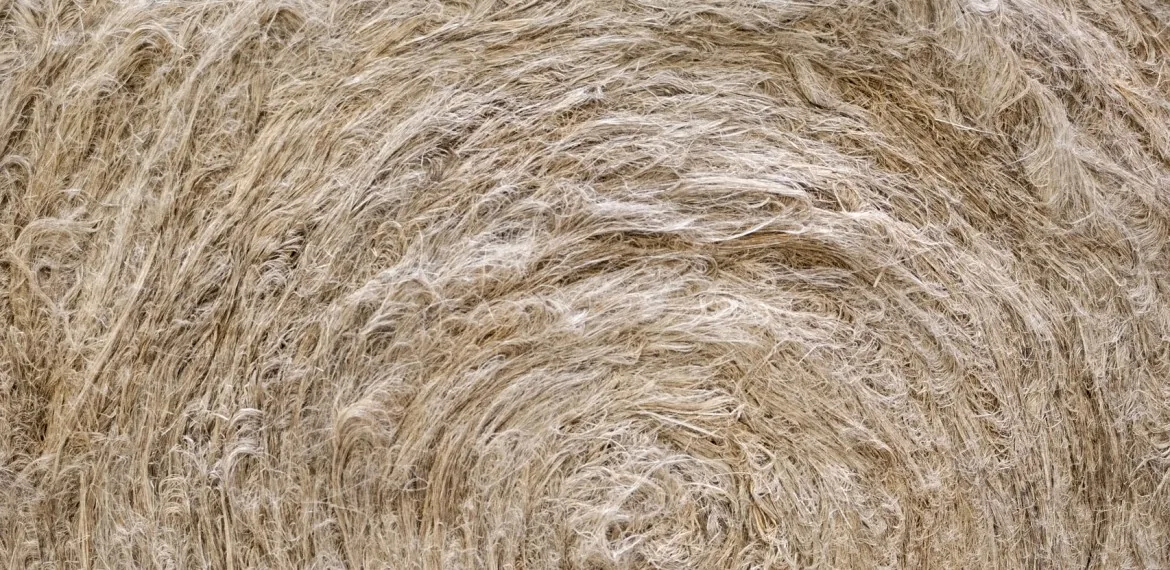
“The production and processing of raw materials for the yarn industry has a significant environmental impact, and highlights the need for visibility and best practice through all areas of the production chain. WGSN’s yarn report for knitwear highlights brands and manufacturers that are working towards better and more sustainable processes.”
February 18, 2016
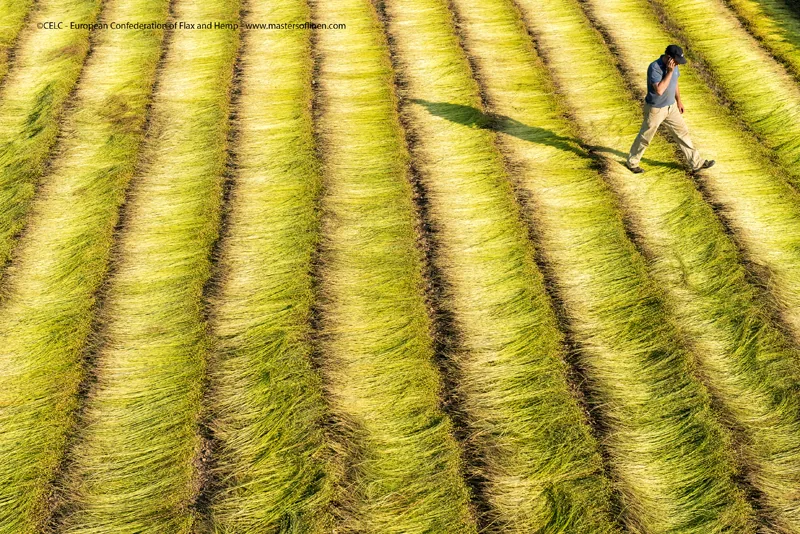
Could European Flax be the Champion of Sustainable Development? The BAROMETER OF EUROPEAN FLAX 2015 offers an original insight.
Every year, the growing of Flax in Europe results in the capture of 250,000 tons of CO2, which is a saving equivalent to driving a Renault Clio around the earth 62,000 times.
If tomorrow, all French people bought a linen shirt instead of a cotton one, it would save the equivalent of all of Paris’s drinking water for a year. Another striking point to the argument: buying a linen shirt corresponds to a saving of thirteen 1.5 litre bottles of water!
With 81,300 hectares of flax fibre cultivated in 2014 amounting to 80% of the world’s production, Europe is the N°1 name when it comes to this Continental speciality. The growing area extends from Caen to Amsterdam and boasts the same environmental virtues: zero irrigation, zero defoliant, zero waste, but especially ZERO GMO.
Between product performance and market reality, flax composites are poised to make a decisive leap. What is a composite? Two or more materials that by combining their properties create new ones. By incorporating technical flax textile fibres in these new-generation composites, the resulting reduction in weight, for the same strength level, leads to a reduction in fuel consumption.
Purchasers of linen are a reflection of the product they’re buying: twice as committed as the rest of the population (29% vs 14%), they carefully read the labels, and 61% say they are ready to pay more for a certified product, contributing to the emergence of a new collaborative society through the exchange of goods and services (22% vs 14%). A pioneering population in line with the demands of societal change: naturalness and comfort, local and renewable resources, bio-sourced innovation and durability!
source: http://www.mastersoflinen.com/eng/presse_dossier
December 3, 2015
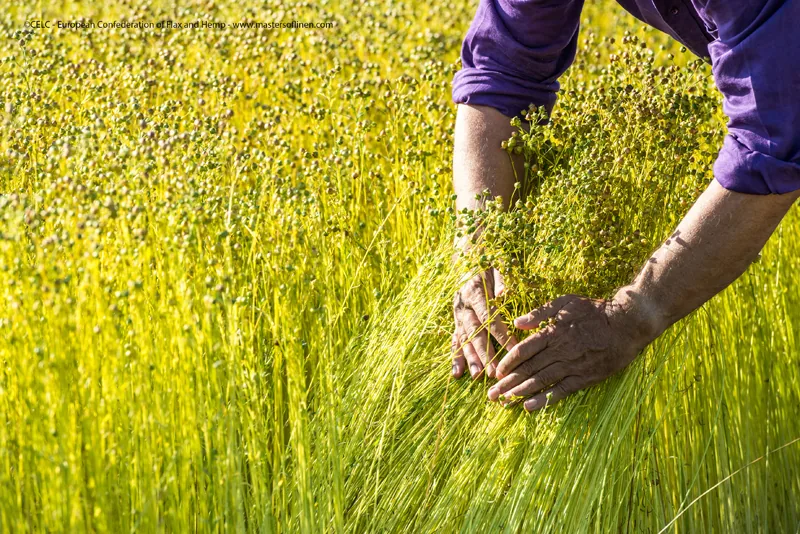
The latin name of the flax plant is linum usitatissimum. The flax is among the first plants were domesticated. It can be a food resource as well as fibre crop. The fibre retrieved from the stem of a plant. The flax seeds are used for food, for medicine, for linseed oil.
The Flax is grown in cooler regions of the world. Earlier the flax was cultivated in many places in Europe – in North France, Normandy, Belgium, Netherland, Russia, Lithuania, Latvia, Poland, Switzerland, Austria – and also in Egypt and China. Today the best quality dew retted flax is grown from South of Normandy in Northern France, Belgium and Netherlands, 85% of the world’s scutched flax production comes from this area.
In Europe the flax is planted between middle of March and middle of April. In June the flax flowers, the plant reaches about one meter height. The colour of the flax flowers is blue. In July the flax is pulled up, and it stays on the field for “dew retting” wich means the sun, the dew and the rain soften up the the woody part, the fungus start to decompose the pectin that binds the fibres together. In August the straw is gathered.
In Egypt the flax is water retted and the season is different.
After pulling the straw from the fields, the seed balls are removed from the stem. Seeds and the skin of the seed balls are separated. Seed-corn are require special handling. The quality of these seeds are the key of the next crop.
Originally the straw was retted in water, which resulted nice blond fibre colour. Because it was highly labour-intensive nowadays the flax stays in the fields after pulling, and the retting is down by the dew. The colour of the dew-retted flax is grey.
Scutching is the first step for preparing for spinning. The fibres are cleaned from the woody parts. The removed woody parts are called shive. It can be used for chipboard panels, stable litter, or for animal bedding.
Scutching by hand was very hard work, the first mechanized scutching mills were established in Ireland and operated by the end of the 19th century. They were quicker, cheaper and it changed a lot on productivity, however scutching by machine caused more waste than the old method. Machine scutching crushes the stalks between two metal rollers so that parts of the stalk can be separated. The product is scutched flax (long fiber) and scutched tow (short fiber) and the waste.
To be continued…
November 23, 2015
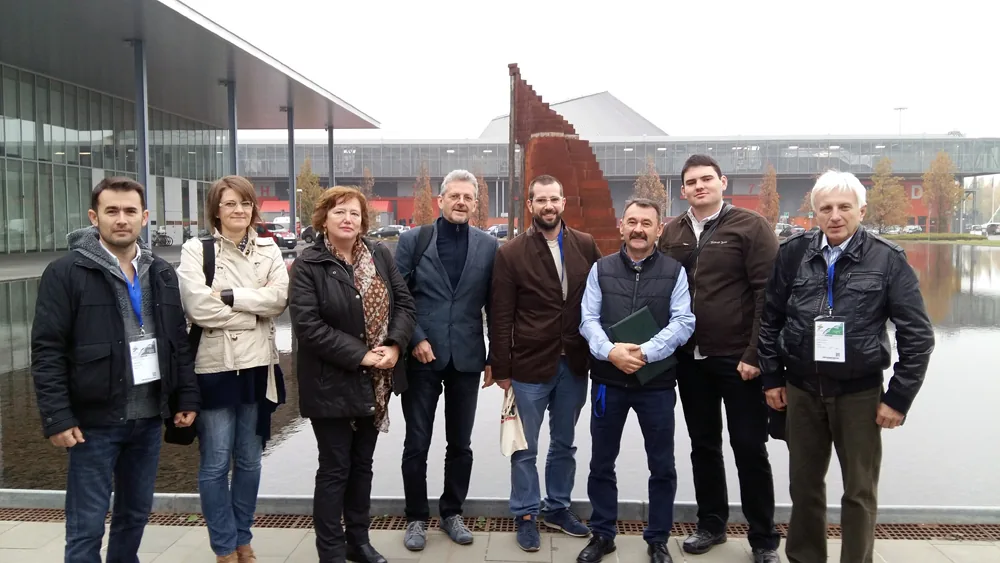
ITMA has been the world’s most established textile and garment machinery exhibition since 1951. Over the years, it has been a catalyst for change and competitiveness for the industry.
attracting the biggest number of exhibitors since the show’s launch way back in 1951. The 17th edition of ITMA has 1,691 exhibitors from 46 countries and economies. The largest participating country in terms of space booked is Italy. Italian exhibitors booked a total of 32,540 square metres. This is followed by Germany at 21,380 square metres, Switzerland at 5,530 square metres, and Spain with 4,540 square metres.
ITMA 2015 features exhibits clustered into 19 chapters. The sectors range from spinning, web formation, winding and texturing, weaving, knitting and hosiery, embroidery and braiding, finishing, dyestuffs and chemicals, software, logistics, plant operations, recycling and education to garment making and textile processing, printing and fibre and yarn.
The theme of ITMA 2015 is ‘Master the Art of Sustainable Innovation’. The exhibition is not only a mega technology showcase; it also features initiatives underpinning the focus on sustainability.
Among the efforts is the launch of the ITMA Sustainable Innovation Award, the rebranding of the Research and Education Pavilion to Research and Innovation Pavilion, and many knowledge-sharing platforms to drive home the sustainability message.
Levi Strauss & Co. of USA, known worldwide for its authentic vintage look jeans, is the winner of the first ITMA Sustainable Innovation Award. It clinched the ITMA Industry Excellence Award category from two other finalists: Berto Industria Tessile (Italy) and Gebrüder Otto (Germany).